


Why Jewish Museums Are Unique
Jewish museums are far more than collections of artifacts and interesting exhibitions. They are precious windows into the lives of generations of Jews – and in many cases are memorials and testimonies to the millions who died in the Holocaust and their devastated communities and cultures.
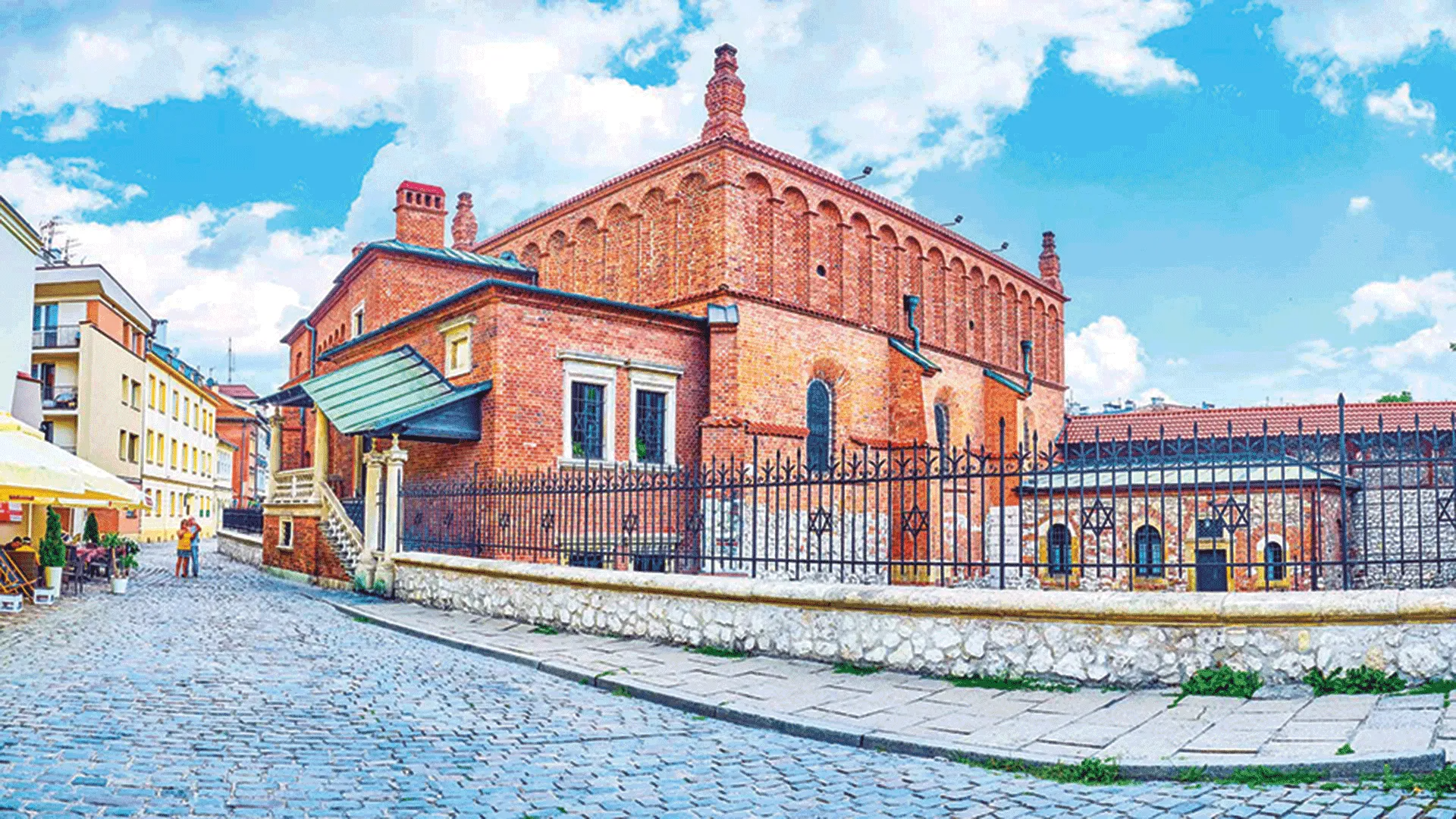
Historical tours and visits to Jewish heritage sites in Europe and Israel usually include visits to renowned institutions like ANU in Tel Aviv or the POLIN Museum in Warsaw but there are many small Jewish community museums (such as the Jewish Museum of Thessaloniki) that offer profound insights into Jewish history and heritage. Historic synagogues and old private homes in historic Jewish quarters and former ghettos can contain small culture museums that preserve vital aspects of local Jewish heritage and community traditions.
When you plan a luxury Jewish heritage experience with Gil Travel, you can customize your itinerary to include less well-known Jewish culture museums that offer fascinating insights into a vanished world of historical Jewry.
Eastern & Central Europe: Community Museums with Soul
Eastern Europe saw both the pinnacle and the nadir of the Jewish experience in the Diaspora. The Golden Ages and the Haskalah, and other periods of tolerance and enlightenment produced wonderful cultural and spiritual achievements as well as prosperity and scientific achievements. The shadow side of the Jewish experience was persecution, pogroms, and finally the Shoah. An organized tour of Jewish heritage sites in Europe is both inspiring and poignant. Jewish Museums bear witness and help to keep the past alive.
Białystok, Poland – “Miejsce”
Miejsce (the place) is a grassroots Jewish museum that sets out to preserve the Jewish history of Białystok, with a focus on the lives of ordinary Jewish residents – most of whom did not survive World War Two. The museum was founded by Jewish heritage activist Tomasz Wiśniewski and evolved out of a virtual heritage platform to tell the story of Polish Jews.
The museum is very much a work in progress and is expanding all the time. Attractions include educational workshops led by local volunteers and “memory drawers” that commemorate the lives of Bialystok Jews. The best time to visit is in the spring or summer when the city hosts Jewish cultural festivals. Gil Travel can also arrange a private walking tour of Jewish history in Białystok’s former Jewish quarter.
Jews in Latvia Museum, Riga
Latvia was once home to a sizable Jewish community that began in 1571 and eventually came to enjoy equal rights and protection during the brief inter-war period. Only around 1,000 Latvian Jews survived the Holocaust, most of whom subsequently emigrated.
The Jews in Latvia Museum was founded in 1989 with contributions from survivors and their families and documents the lives and history of Latvian Jews. Visitors can see a collection of artifacts like wedding dresses, candlesticks, and private letters that bring Latvian Jewish history vividly to life. The museum is conveniently located in central Riga and can be included in a one day itinerary that includes a visit to the Old Town and its unique Art Nouveau district.
Western, Central & Southern Europe: Sephardic and Ashkenazi Stories
Germany and Austria are always difficult destinations on a Jewish heritage travel tour of Europe. Two nations that once epitomized high European culture, and had a long Jewish past, descended into barbarism and forged the Holocaust.
Emmendingen Jewish Museum, Germany
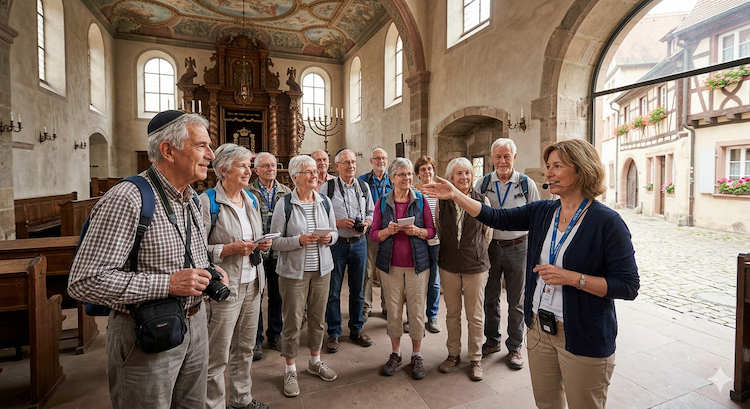
The Emmendingen Jewish Museum is set in a half-timbered German house and includes a restored mikvah and a reading room. The museum is perhaps unique in the sense that visitors really feel like they’re stepping back in time and walking into an 18th or 19th century family home. You only need a little imagination to get a fascinating glimpse of Jewish family life a few hundred years ago. The museum is located near Freiburg and is a great excursion if you’re exploring the beautiful Black Forest region.
Jewish Museum of Hohenems, Austria
The Jewish Museum of Hohenems is a small Jewish community museum located in a villa built in 1864. It preserves the story of the Hohenems Jewish community and its diaspora. Children particularly enjoy the interactive exhibit that allows them to “pack a suitcase” with historical items, recreating the journeys Jewish families once made. The museum periodically hosts Jewish music and art festivals and Gil Travel may be able to coordinate your trip to coincide with them.
Bratislava Jewish Community Museum, Slovakia
The Bratislava Jewish community museum is one of the smaller cultural museums that local preservationists have established in historical synagogues. The museum contains displays of family photos, prayer books, and ritual objects that offer (sometimes quite moving) insights into Jewish daily life.
The museum is community-run and only opens seasonally, but the English speaking guides have a personal touch that makes visitors feel like VIP guests. The best time to visit is from May to October. The museum is close to the Chatam Sofer Memorial and is convenient for a leisurely stroll through Bratislava’s charming Old Town.
Dolní Kounice Synagogue, Czech Republic
Dolni Kounice is a small town in the beautiful Moravian region of the Czech Republic. Its synagogue was built in 1655 and is now used as as Jewish museum and cultural space. The synagogue building was saved from neglect through a community initiative and public recognition of its historical importance. The town’s other historical attraction is the ruined Dolní Kounice Castle which is well worth a visit.
Sephardic Museum, Granada, Spain
The Sephardic Jewish experience included centuries of cultural achievement, scholarship and religious thought, but ended abruptly with the Edict of Alhambra, and mass expulsions, forced conversions and the horrors of the Inquisition. Granada was once a great cultural center of Spanish Jewry and its old Jewish quarter or Realejo, with its atmospheric narrow streets, still survives. The Realejo is home to the small Sephardic Museum that brings medieval Sephardic traditions to life for its visitors.
The museum owners provide private guided tours and share stories of the Jewish cooks, artisans, and healers who shaped the old neighborhood. A guided walking tour of the Realejo (early mornings or evenings are definitely best in the summer) is a real pleasure, especially if you call in at a traditional Andalusian tetería (tea house).
Belmonte Jewish Museum, Portugal
Belmonte is a small town in the Portuguese hills that was home to a remarkable community of Crypto-Jews or Conversos. These were Jews who ostensibly converted to Christianity but secretly maintained Jewish rituals and traditions – risking death to preserve their heritage and religion.
The Jewish museum in Belmonte shares emotional stories of families who whispered Hebrew prayers in Portuguese and quietly passed down their ancient traditions. Belmonte is an important destination on a Jewish heritage trip to Portugal and the town also has a synagogue. Gil Travel may be able to organize meetings with the modern descendents of the Belmonte Conversos.
Beyond Europe: Jewish Museums in South America and South Africa
The South African Jewish community was small but prosperous and made valuable contributions to the country’s prosperity and development. The Cape Town Jewish Museum celebrates Jewish immigration to South Africa and the community’s history. One highlight is the replica Lithuanian shtetl house (many South African Jews originally emigrated from Lithuania and Eastern Europe). The museum is located near the Company’s Garden and can be easily included in a tour of Cape Town’s cultural and historical sites.
Buenos Aires Jewish Museum, Argentina
Buenos Aires is the capital of Argentina and home to a large and vibrant Jewish community. It also has one of the best Jewish museums in South America. The museum is housed in the oldest active synagogue in the city and documents the waves of historical Jewish immigration and the lively Argentine-Jewish culture that they produced. A good time to visit the museum is on Friday afternoon, in time for the weekly Shabbat service. Jewish history tours of Buenos Aires can also include a guided walk through the Once Jewish quarter and former garment district.
Travel Tips for Visiting Jewish Museums
If you’re genuinely interested in a specific aspect of Jewish history, or have a family connection to a particular locality, it’s definitely worth working with Gil Travel to create a customized itinerary that includes private guides, lectures, visits to archives and even the services of local genealogy researchers. When you visit Jewish museums and Jewish heritage sites in Europe, it’s often possible for Gil Travel to arrange a behind the scenes tour that digs deeper into local history and lets you see artifacts that aren’t on current display.
The small Jewish community museums are usually staffed by volunteers and local enthusiasts and they are more than happy to answer questions (and have impressive knowledge of local Jewish history and traditions).